

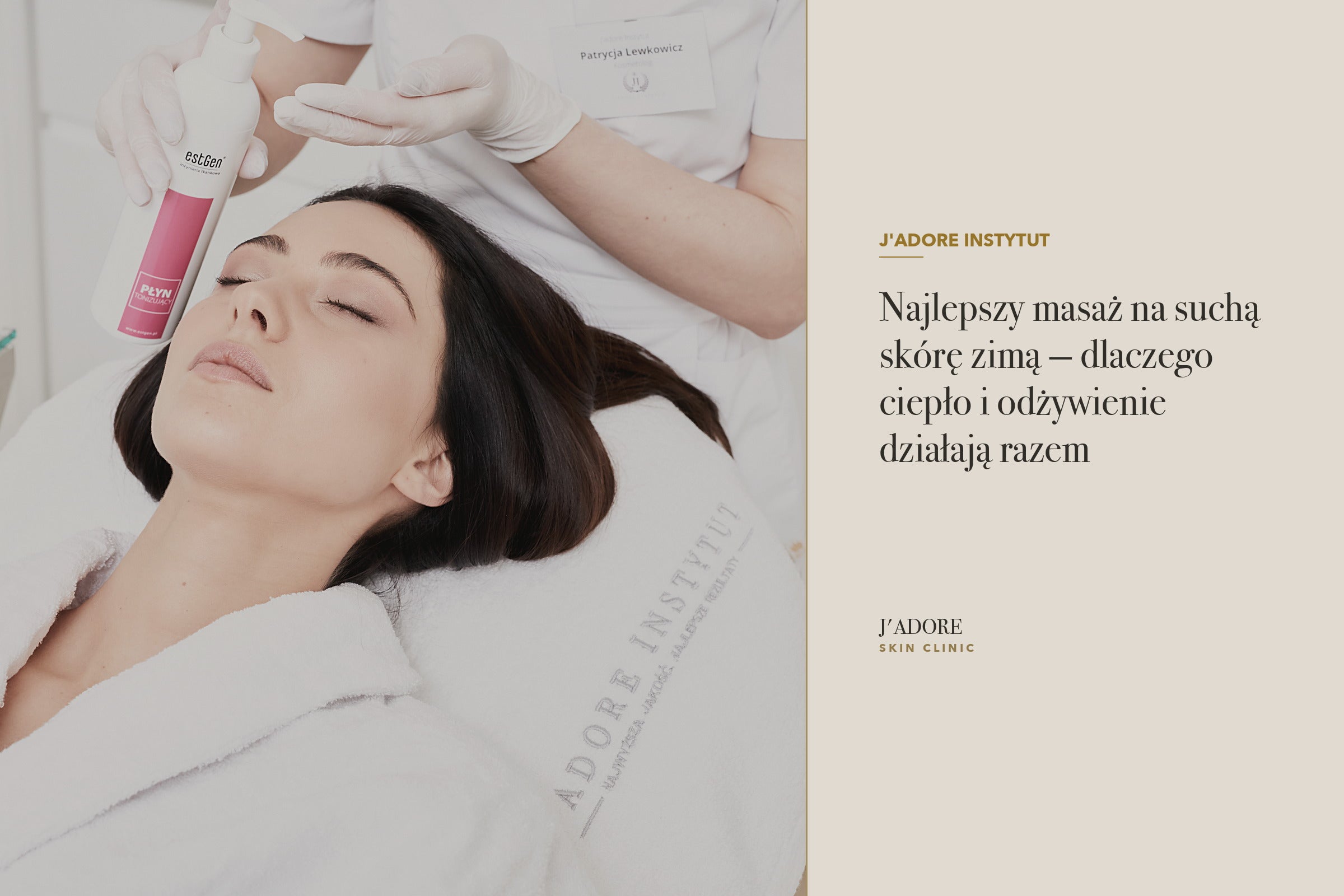
Winter is a time when the skin of the body takes a hit from two sides at once. Outside — frost, wind, and dry air that draw moisture from every inch of the skin. Inside — central heating, hot showers, and less water consumed than in summer. The effect is known to all: tight, rough, itchy skin, sometimes cracked on the elbows and knees, dull where it should have a glow. All winter long, we reach for balms, oils, and intensive creams — and rightly so, because home care makes sense. But there is a blind spot in this logic: even the best cosmetic applied to dry, poorly perfused skin in a cold apartment works much weaker than it should. The skin barrier is closed, circulation is slowed, and cells absorb nutrients less willingly. A body massage with warm oils works differently — and physiology explains this, not marketing. Heat opens. Movement stimulates. Oils penetrate deeper than any cream applied at home ever could. In this text, we break down this mechanism into its components — without promises, but with specifics.
What winter does to the skin — mechanism, not metaphor
To understand why massage in winter works differently than in summer, it is worth first seeing what exactly happens to the skin when the temperature drops. It is not simply "the skin is dry" — it is several parallel processes that drive each other.
- The lipid barrier weakens. The epidermis is made up of layers of cells bound by lipids — the cement that keeps water inside. Cold air and dry environments in heated interiors literally "loosen" this cement. Water evaporates faster, and the skin loses moisture even though there is no shortage of it outside.
- Circulation slows down. This is a protective mechanism — the body limits blood flow to the skin to protect heat around the internal organs. The effect: the skin is less oxygenated, regenerates more slowly, and nutrients from the blood reach it with a delay.
- Sebaceous glands produce less sebum. In the cold, the activity of the glands naturally decreases. Sebum is the skin's natural "oil" — without it, the surface is less protected, and transepidermal water loss (TEWL) increases.
- Hot baths and showers exacerbate the problem. Intuitively, we reach for warm water as a comfort — but hot water dissolves remnants of sebum and cleansing agents and further damages the lipid barrier. The skin immediately after stepping out of the shower can be drier for a few minutes than before.
In summer, the skin dries mainly due to UV, sea salt, and air conditioning — superficially, in the epidermis. In winter, the problem goes deeper: to the dermis, where collagen sits and where fibroblasts responsible for regeneration live. This is why winter dryness is felt long after warmth returns — and why intensive care in the season is not a whim but an investment.
Why just applying cream is not enough
There is an intuition that most of us have: "dry skin = apply cream". And this intuition is not wrong — home care really helps. But there is a limit to it that cream alone cannot cross — and it is worth knowing where it lies.
Winter skin is like a clenched fist — vessels constricted, pores closed, barrier tense. A cosmetic applied to such skin creates a film on the surface, partially replenishing the lipids of the epidermis, but its penetration is limited. The absorption of active ingredients depends on the skin's temperature, its pH, and the state of the barrier — and all three are unfavorable in winter.
In other words: cream and massage are not competitors. They are different tools for different tasks. Cream maintains the effect of the massage. Massage makes the cream work better for the next few days — because the barrier is healthier and more permeable to active ingredients.
How heat "opens" the skin — physiology in three steps
Heat is a key element of massage for dry skin in winter — and it is not about comfort or the atmosphere of the treatment room. It is a specific biological mechanism that directly affects how deeply oils penetrate and how effectively the skin absorbs nourishment.
Plant oil applied to dry, cold skin and oil applied during a warm massage are — from the perspective of absorption — completely different experiences. At higher temperatures, the molecules of fatty acids have greater mobility and penetrate more easily through the seals between the epidermal cells. Some oils (e.g., rich in oleic acid) show particularly good penetration in warmth. Therefore, the same oil at home (cold, on dry skin) and in the treatment room (warm, with massage) provides a completely different depth of nourishment.
What movement does — massage as a mechanism, not a ritual
The second half of the equation is manual movement — and here too, more happens than just "a pleasant feeling". Body massage techniques, even those seemingly relaxing, trigger several parallel processes in the tissues.
- Lymphatic drainage. The lymphatic system has no pump of its own — it needs muscle movement and external pressure for lymph fluid to circulate efficiently. In winter, when we move less and often sit in heated rooms, drainage slows down. Massage mechanically "pushes" fluid through lymphatic vessels, which reduces feelings of heaviness and swelling for many people.
- Stimulation of fibroblasts. The cells of the dermis responsible for producing collagen and elastin respond to mechanical stimuli. Gentle pressure and stretching of the tissue during massage can stimulate their activity — this is one of the mechanisms through which regular massages are associated with improved skin elasticity for many people.
- Relaxation of fascia. Fascia is a continuous network of connective tissue surrounding muscles and organs. In winter, with less activity and constant muscle tension from the cold, fascia can "stick" — limiting mobility and causing a feeling of stiffness. Massage with the right depth of pressure works on this layer, and the effects can be felt in flexibility and well-being.
- Thermal effect of movement. Friction during massage generates heat within the tissue — not just on the surface. This internal heat, combined with the warmth of the oils and the treatment room, creates a cumulative effect that is hard to achieve by any home method.
The effects of massage on lymphatic drainage, fascial tension, and skin condition are individual and depend on many factors — including technique, frequency of treatments, and the initial state of the tissue. People with vascular, skin, or other conditions should consult indications with a doctor or physiotherapist before starting regular massages.
The composition of the oil matters — not all oils are equal
Not every plant oil works the same on dry skin in winter. The difference lies in the composition of fatty acids, the size of molecules, and the ability to penetrate — and although no oil will "fix" the skin in one session, the choice of composition has a real impact on what we feel after the treatment and how long the effect lasts.
- Oils rich in oleic acid (omega-9) — e.g., argan, rosehip, marula — have relatively small molecules and good penetration. They penetrate deeper layers of the epidermis, rather than just creating a film on the surface. They work well for dry and dehydrated skin.
- Oils rich in linoleic and α-linolenic acids (omega-6, omega-3) — e.g., evening primrose, black cumin, hemp — show regenerative support for the lipid barrier. Recommended especially for reactive skin and prone to redness.
- Thick oils (shea, cocoa butter, coconut) — create an intense occlusive layer. Great for particularly dry areas (elbows, heels), but on large surfaces, they can be too heavy; in massage, they work well as an addition, not a base.
- Oils with vitamin E and polyphenols — many unrefined oils contain natural antioxidants that protect the skin from oxidative stress. This is particularly valuable in winter when the skin is exposed to sudden temperature changes (going from frost to a warm room).
The effect of a good massage with warm oils does not end when you leave the treatment room. In the first hours, the skin is warmer, better perfused, and exceptionally absorbent — this is the ideal moment to apply a balm or oil at home (it will absorb better than usual). In the following days, many people experience improved elasticity and softness — the cumulative effect increases with subsequent sessions, especially when treatments are combined with regular home care.
Winter massage vs. summer massage — does the season really matter?
Body massage is a year-round treatment — and each season has its reasons. But in winter, the mechanism of massage with nourishment is particularly well-suited because it directly addresses a specific physiological problem that peaks at that time. It is worth knowing how winter massage differs from summer massage.
The first signal is not dryness — it is the feeling of slight tightness after a shower, which did not exist in summer at all. Then dullness appears on the forearms and thighs. A few weeks later — roughness on the elbows. The body says: the season has changed, and your care does not yet know it. This is a good moment, before the deficit deepens, for the first visit of the season not to be "damage control" but prevention. A winter massage scheduled for October or November — before the frost hits fully — acts as a seal for the system before the more challenging months.
For whom nourishing massage in winter makes particular sense
A massage with warm oils in winter will work for many people — but there are a few profiles for whom the benefits are particularly clear and where regular sessions can differ significantly from the effects of home care.
- Atopic or structurally dry skin — the barrier is permanently weakened, and winter conditions exacerbate its dysfunction. A warm massage with unsaturated oils can help maintain the barrier function of the skin — although with atopy, every method requires prior consultation with a specialist.
- People spending a lot of time in heated rooms — office, car, home with central heating is an environment where the air is exceptionally dry. Circulation can be slowed by a sedentary work style; massage acts compensatorily.
- Pregnant women and postpartum women (with doctor's consent) — the skin of the abdomen, hips, and thighs is particularly prone to loss of elasticity during this time. A warm oil massage, provided there are no contraindications, is one of the few methods that can support skin condition at this time.
- Athletes and physically active people — intense effort in winter (running in the frost, winter sports) damages the skin barrier due to cooling and friction. Regenerative massage with oils combines muscle function with care.
- Men with dry body skin — male skin typically has a thicker dermis but also fewer sebaceous glands in certain areas of the body. Winter dryness is particularly felt on the back, shoulders, and thighs — and is difficult to cover with just balm.
If the skin is very dry, cracked, or accompanied by itching and redness — it is worth first assessing the condition through a short consultation. A massage with intensive oiling can then be particularly beneficial, but the choice of oil and technique should be tailored individually.
How to get the most out of the treatment — before and after
Massage works best when it is part of a broader system — not a one-time event. A few simple things you do before and after the session genuinely enhance the effect and prolong the time during which the skin remains nourished.


