

Dostępne marki
Marki, którym ufamy
 Peel Mission
 DermaQuest
 estGen
 Sesderma
 Skeyndor
 Medik8
 Purlés
 TEOXANE
 ZO Skin Health
 DSD de Luxe
 KV-1
KV-1
 Institut Esthederm
 pro XN
 Dermalogica
 Mediderma
 Dermomedica
 Cell Fusion C
 Mesoestetic
 SolverX
 Dottore
 IMAGE Skincare
 iS Clinical
 Olaplex
 Diego Dalla Palma
 Selvert Thermal
 Intraceuticals
 Vagheggi
 Podopharm
 Pedibaehr
 DIVES MED
 pHformula
 My Skin Chemistry
 Retix.C
 ONmacabim
 Authentic Beauty Concept
 Kevin Murphy
 Moroccanoil
 LPG
LPG
 MineTan
 SunFX
SunFX HydroPeptide
 PCA Skin
 Bioelements
 Osmosis Beauty
 MedMelano
 Lira Clinical
 Hush & Hush


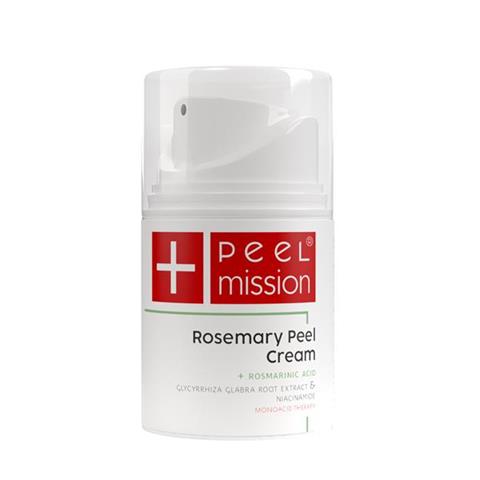


A serum is the most concentrated product in your skincare routine — it has a thinner consistency than a cream and a higher content of active ingredients. Its purpose is not surface hydration, but rather delivering specific actives exactly where they are needed. In this category, we offer nearly four hundred serums from professional brands.
Serum by active ingredient
- Hyaluronic acid — hydration. It acts as a humectant, so it requires sealing with a cream, especially in dry air.
- Vitamin C — antioxidant protection, evening out skin tone, supporting collagen synthesis. Use in the morning, under SPF.
- Retinol and retinal — epidermal remodeling, wrinkles, imperfections. For evening use only, introduce gradually.
- Niacinamide — barrier support, sebum control, minor discoloration. One of the best-tolerated active ingredients.
- Peptides — skin firmness and density; a gentler alternative to retinoids.
- Azelaic and tranexamic acid — redness, rosacea, post-inflammatory hyperpigmentation.
- AHA/BHA/PHA acids — exfoliation and smoothing of the skin surface.
What not to combine in one routine
It is not that two actives "neutralize" each other — the problem is more often the accumulation of irritation. Practical rules:
- Retinol and strong AHA acids — not on the same evening. Separate them into different days.
- Vitamin C and retinol — you can use both, but at different times of the day: C in the morning, retinol in the evening.
- Multiple retinoids at once — pointless and risky. Choose one.
- Niacinamide — combines well with virtually everything; it is the safest addition.
How to apply serum
Two to three drops for the entire face, on cleansed skin, before your cream. Apply water-based serums to slightly damp skin, and oil-based ones to dry skin. If you use multiple serums, start with the thinnest and finish with the thickest.
The effect of most actives is assessed after 8–12 weeks of consistent use — this is the time of a full epidermal renewal cycle. Changing products every two weeks means none of them will have time to work.
Frequently asked questions
Can a serum replace a cream? No. A serum delivers actives, while a cream seals and protects the barrier. These are two different tasks.
Do I need a serum for young skin? Not always. For healthy skin, the most important steps are cleansing, hydration, and SPF. A serum makes sense when there is a specific goal.
How many serums should I use at once? Two is a reasonable maximum — one in the morning, one in the evening. More usually means more irritation, not more results.
See also: face creams, ampoules, anti-age, discoloration.